

After 16 Years, Hungary is Finally Fed Up with Orbán
From rising living costs to corruption scandals and EU tensions, the foundations of Orbán’s long rule are beginning to show cracks.

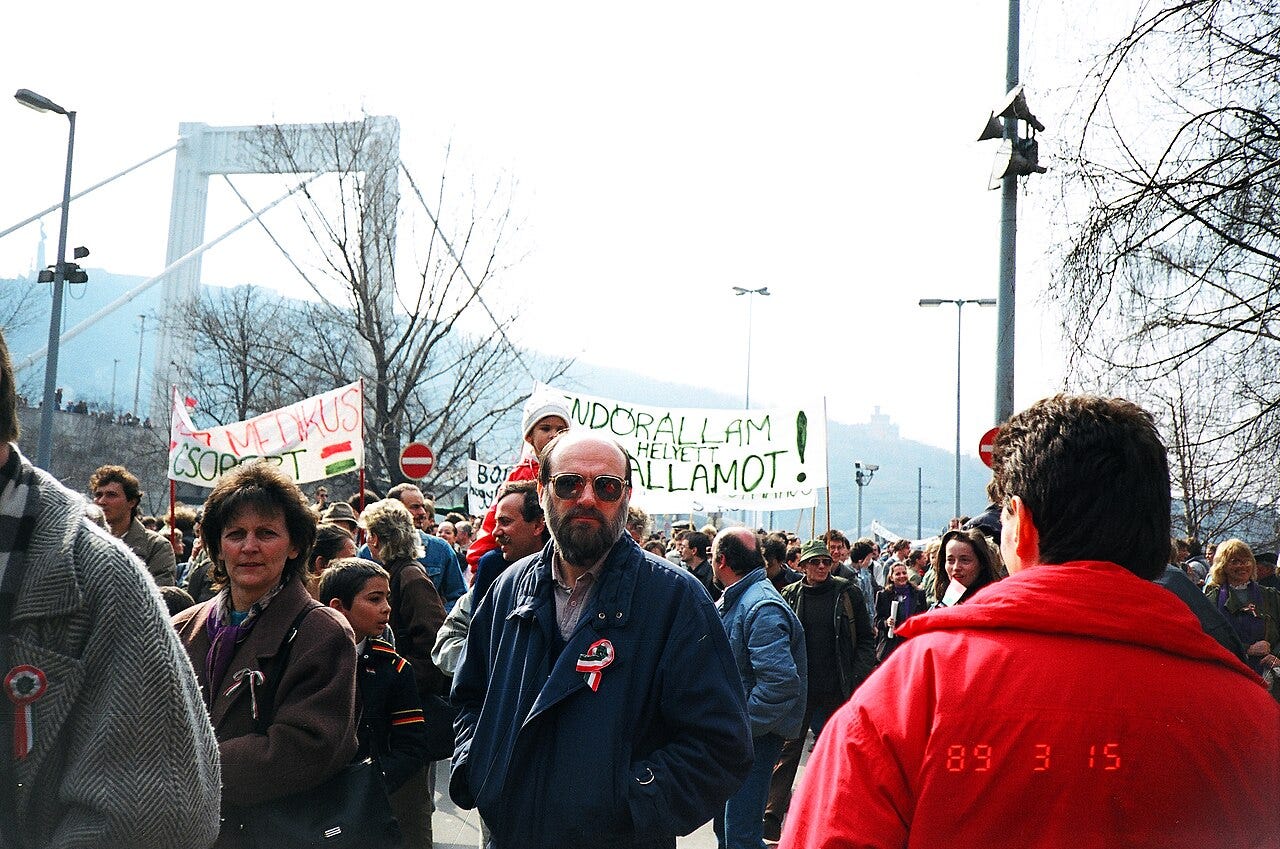
Hungary knows hope—and heartbreak. ’89 felt electric. The Iron Curtain crashed, and suddenly the future was right there—democracy, Europe, freedom, all glittering just out of reach. For a split second, anything seemed possible. The whole country held their breath.
Then came 2010. Orbán, back in the driver’s seat, promising to drain the swamp and deliver the reset we craved. People bought it—maybe because we wanted to. For a while, the air lit up with possibility.
Sixteen years on, and what’s left? Promises worn to rags, hope gone. Growth is a ghost story, prices are a running joke, and cronyism hasn’t gone anywhere—it just got better PR. Renewal? Call it what it is: reruns with sharper elbows and no apologies left to give.
Promises vs. reality
Orbán came in riding a wave of hope, promising renewal. Instead, the country has lived through sixteen years of political theatre. Policy Solutions analyst András Bíró-Nagy put it bluntly: “Orbán has lost much of his lustre, since economic growth has stalled, public services are deteriorating, and corruption is high.” That sentiment increasingly reflects public opinion in Hungary today.
In fact, even experts tracking the country’s growing emigration say the mood is shifting. As labour market analyst József Nógrádi told 24.hu, “the trend is worrying: it shows more and more people cannot find their place at home… moreover, it is precisely among young people that the willingness to emigrate has increased.”
Key promises have fallen flat, too: the long-promised low utility bills gave way to new fees and soaring energy costs as inflation raced ahead.
Economic hardships
Every trip to the shops now stings. Groceries, rent, utilities — all up, while wages have barely moved. Hungary’s Central Statistical Office puts inflation at 4.4% for 2025. That number might look modest on a spreadsheet, but for most people, it’s another year of stretching less and less.
Wages are still crawling. In 2024, the average Hungarian paycheque barely scraped €18,500 — half the EU average, if that. Talk to anyone under thirty, and you’ll hear the same thing: stuck in neutral, watching their ambitions vanish in the side mirror while Europe blurs past.
Not surprisingly, the latest data show record emigration: roughly 36,000 Hungarians left in 2023, many seeking decent pay and opportunity abroad. Orbán’s playbook has been simple: tax breaks for friends, EU cash for cronies. While ordinary Hungarians painfully count down to their next paycheque, Orbán’s inner circle seems to have no such problem.
Fear, lies and corruption
Same old script: blame and deflect. Brussels, migrants, Soros—they’re rolled out like clockwork, just to keep the heat off his own house. Blame bounces off the walls, but never sticks to him or his circle.
This constant fear-mongering has finally run its course. Péter Magyar, a rising opposition figure, summarised it harshly: “The politician who in 1989 demanded the Russian troops leave Hungary is now the Kremlin’s most loyal ally…”
Increasingly, that narrative appears to be wearing thin.
The numbers don’t lie. Most Hungarians now say corruption’s only gotten worse, 63% think it’s up since 2010. That’s the new reality.
Transparency International’s Corruption Perceptions Index comes out, and every year, Hungary slips further down the list. For many Hungarians, cynicism isn’t an attitude anymore. It’s simply the only logical response to a system that feels rigged from the start.
Stunning corruption scandals haven’t helped. Take the so-called “Elios” affair: EU investigators found that modern streetlight contracts run by Orbán’s son-in-law had serious irregularities. Yet Hungarian police closed the case with “no crime”, according to Reuters. No one was charged, and some towns even complained that the new lights performed worse than the old ones.
Stories like this leave many Hungarians telling pollsters, “We don’t trust anything politicians say.” Even protests in Parliament end with the chant “Nem hagyjuk!” (“We won’t let it stand!”).
Turning away from Europe
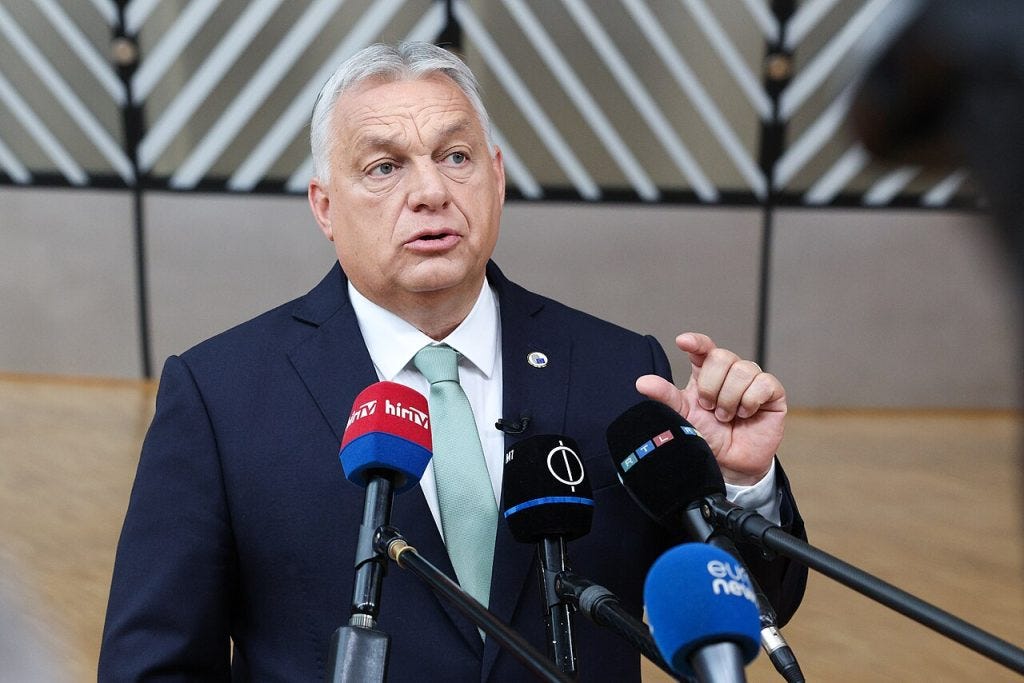
And then there’s the bigger picture.
Orbán has used his veto again and again — blocking EU sanctions on Russia, holding up aid to Ukraine — and in doing so has made Hungary an outlier among its allies. It’s a trajectory that analysts have been flagging for years, drawing comparisons with Turkey and, until recently, Poland.Of course, Budapest has a ready answer: sovereignty. Brussels overreaching. Hungarian values are under threat. They’ve run that play for years — and for a long time, it worked. But when you’re struggling to pay rent, the sovereignty argument starts to feel a bit thin.
The next steps are familiar. Courts lose independence. The press faces pressure or is bought out. Opposition becomes risky, so fewer people take part. Democratic structures stay in place on paper, but the substance fades away, election by election and institution by institution.
Hungary is increasingly viewed as part of that trend. Even some EU diplomats quietly ask whether Budapest still shares the alliance’s values.
Repression of freedoms
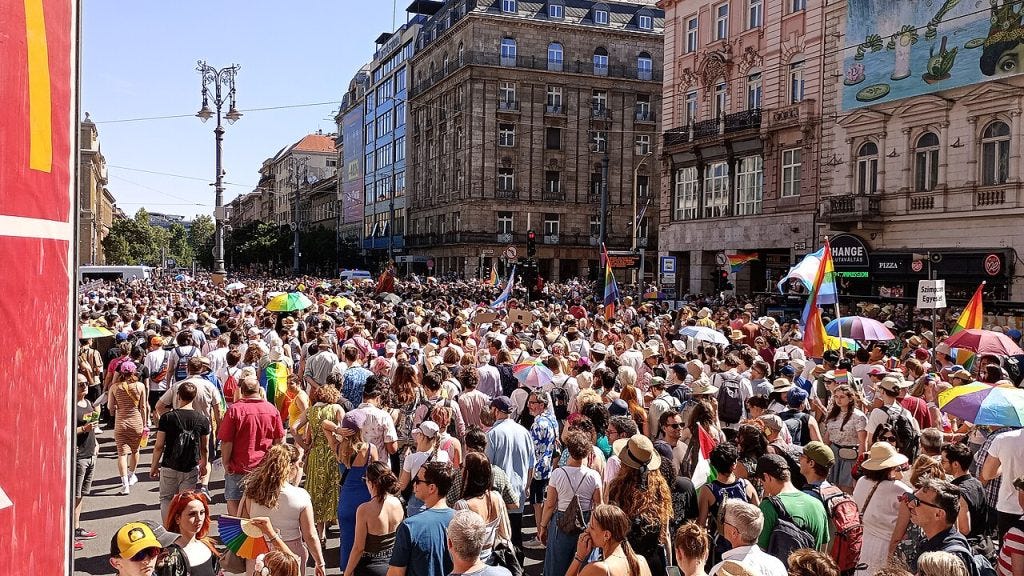
On civil rights, the change has been stark. In 2022–2023, the government passed a series of “child protection” laws that, in practice, ban LGBTQ+ content in schools and media.
In early 2025, Parliament even outlawed the Budapest Pride march, making it illegal to publicly support it — for fear of “harming children.” The ruling party’s MPs say even participants should be punished.
Human rights groups and Brussels have lit up in protest. EU law says Hungary must protect minority rights and freedom of assembly — rights these new rules bulldoze without apology.
The European Commission has already launched infringement cases over earlier laws, and legislation restricting Pride events adds to the pressure. Hungarians who remember Europe helping write our 1989 Constitution feel betrayed — they say Hungary is now abandoning the democratic values it once championed.
Signs of change
After four election victories, Orbán’s iron grip is finally slipping. In the past year, we’ve seen big protests and a new opposition coalition make unexpected gains.
A December poll by Telex, citing research by Závecz, found that only 47% of Hungarians wanted regime change. A number that is likely to have grown since December. *
The new Tisza party now leads most independent polls.
Even Fidesz’s own base is restless. New data from HVG show that a majority of Fidesz voters believe the government failed to fight corruption. Those are damning words about Orbán’s record.
Conclusion
Hungary has pulled off a democratic transformation before — in 1989. That history matters. But history doesn’t vote. The real question is whether ordinary Hungarians, squeezed by rising costs and shrinking freedoms, still have the will to demand something different — and whether, this time, it isn’t already too late.
This article was originally published on The Hungary Report. Read the full piece at https://thehungaryreport.com
Correction: An earlier version of this article incorrectly stated that 47% of Hungarians wanted to keep Viktor Orbán in power. In fact, a December Telex report citing research by Závecz found that 47% of Hungarians wanted regime change. The article has been updated accordingly.
Well, time after time, they still keep believing in him. And with the 45 regime and the mind masters of 2025 project and Musk's life manipulating information, I wonder 🤔, are they really fed up?
Nothing in life is free, even the air we breathe and the water we drink, we pay for it. It's not free in the end. Prove me different?